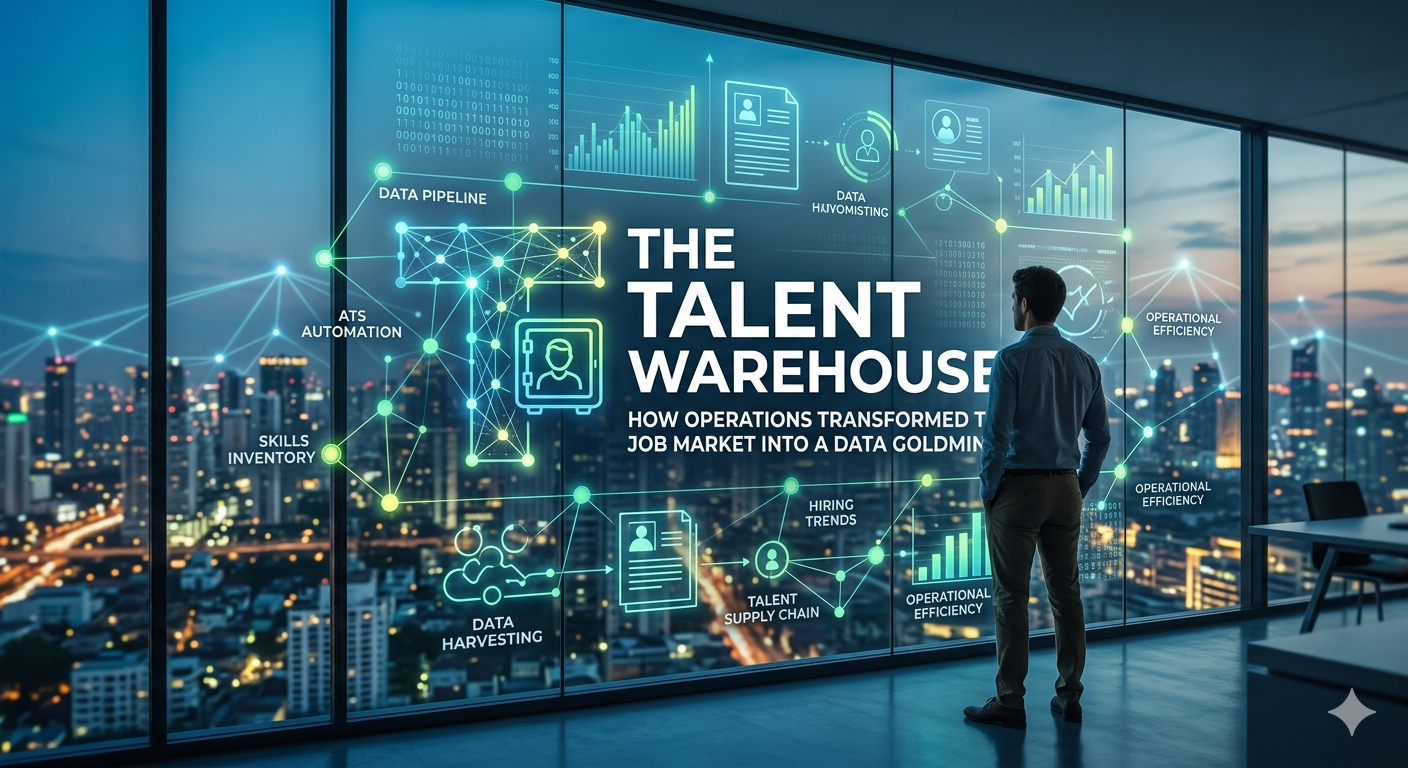
The Talent Warehouse: How Operations Transformed the Job Market into a Data Goldmine
The application portal is no longer an interview gateway; it is a data ingestion point. Instead of hiring reactively, modern organizations are leveraging automated systems to treat professional resumes as a continuous raw material pipeline. By maintaining permanent, active job listings, businesses are building a self-updating talent data lake; de-risking their future hiring needs and transforming the job market into a strategic corporate goldmine.
Read More
The Predictive Fleet: Leveraging Real-Time Telematics to Build Resilient Routing Guides
Relying on historical RFP data and static lane averages leaves modern routing guides completely exposed to sudden capacity failures and budget shocks. By integrating real-time carrier telematics and streaming fleet analytics directly into enterprise systems, shippers can predict lane failures before the truck ever misses a pickup. This shift transforms raw compliance data into a proactive procurement weapon, ensuring contract rates hold firm when the spot market spikes.
Read More
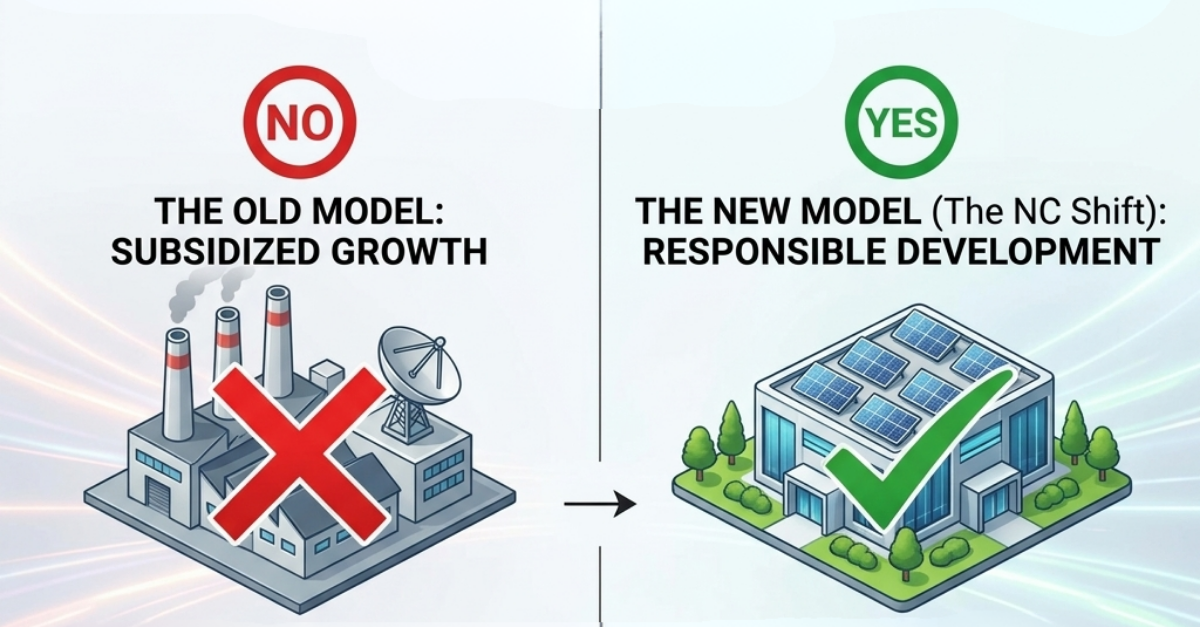
The Free Ride is Over: Why North Carolina is Threatening to Upend the AI Supply Chain
The AI boom is hitting a physical wall. As North Carolina's SB 730 moves to eliminate big tech tax incentives and force data centers to fund their own grid upgrades, the logistics of digital infrastructure site selection are changing forever. The era of the subsidized free ride is over.
Read More
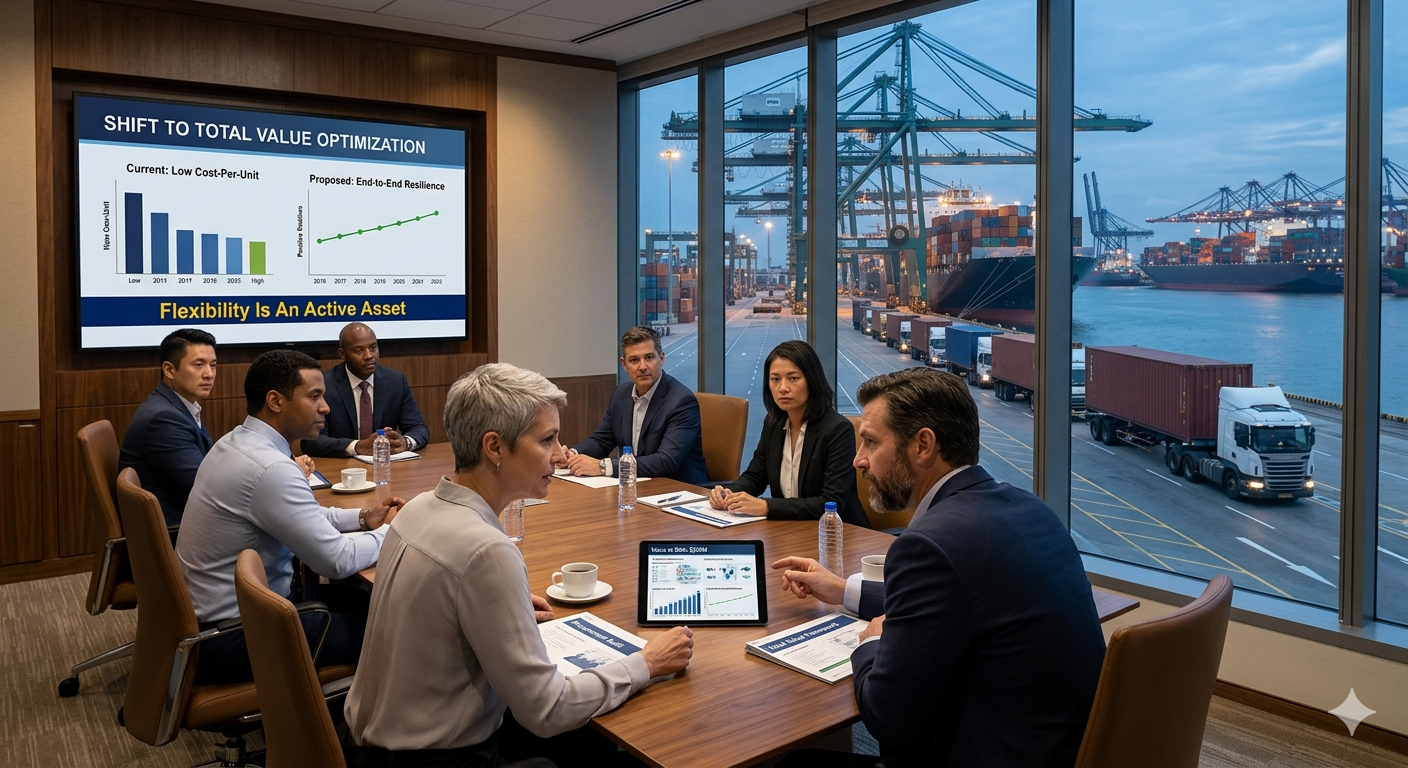
Ditching Cost-Per-Unit: How to Pitch "Total Value" Supply Chains to the Boardroom
The traditional corporate focus on minimizing cost-per-unit creates a dangerous trap, building supply chains that look incredibly profitable on a spreadsheet right up until the moment they implode. When disruptions strike, the hidden liabilities of single-source procurement, from emergency air-freight premiums to lost market share; instantly wipe out years of paper savings. To break this cycle, logistics leaders must arm the boardroom with a proactive strategy of Total Value Optimization, proving that operational flexibility is a measurable asset that directly protects corporate liquidity.
Read More
When the Road Tightens: Preparing for the Looming Truckload Capacity Correction
The domestic trucking market is operating under a deceptive calm, but a brutal combination of sticky operational costs (like diesel, maintenance, and soaring insurance premiums) has quietly forced thousands of small fleets to exit the highway entirely. This silent fleet contraction is being further squeezed by strict regulatory enforcement and a massive drain on trucks toward cross-border nearshoring hubs. While large carriers are temporarily masking the missing capacity, the underlying foundation of over-the-road freight is rapidly eroding, leaving transactional, spot-chasing shippers exposed to a severe budget shock the moment the economic pendulum swings back to a carrier's market.
Read More
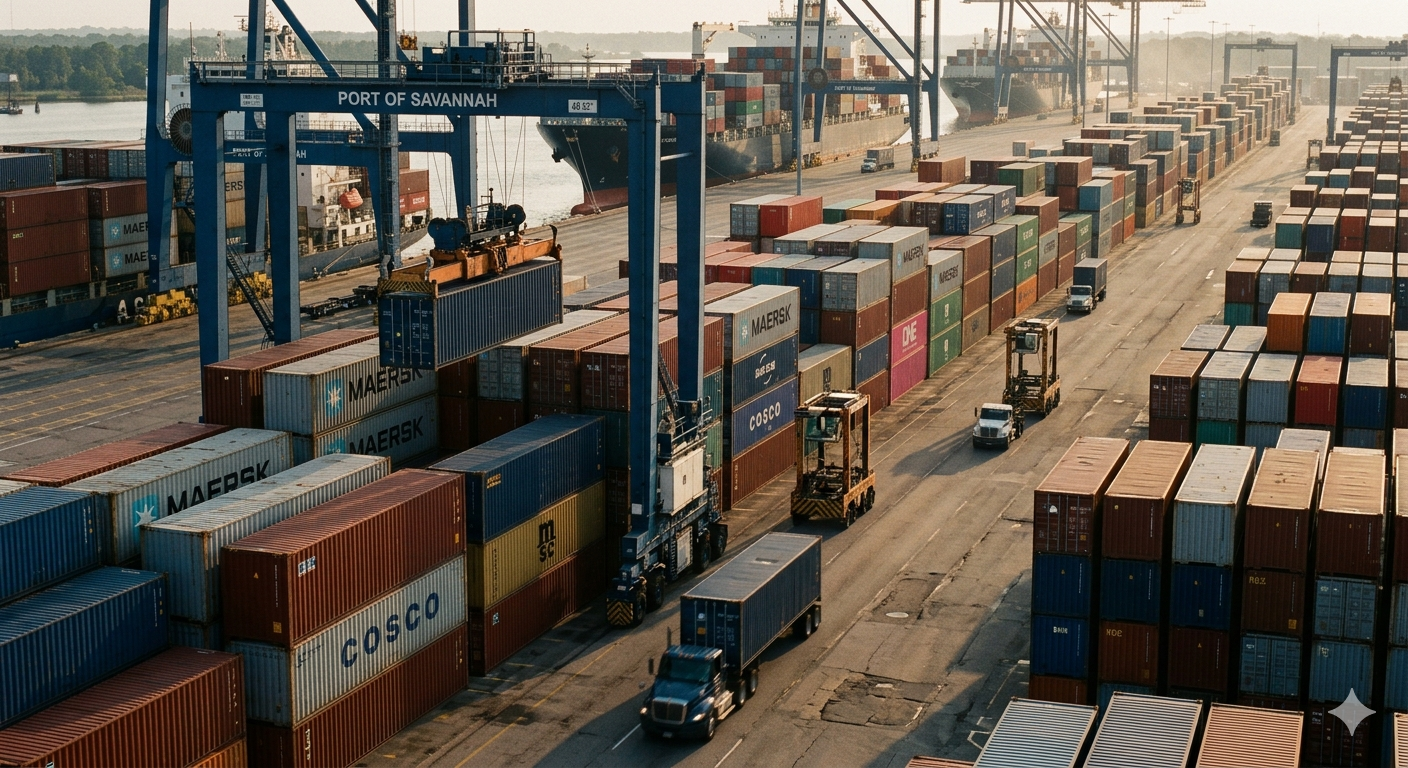
The May Shock: Why the Shipping Peak Season Arrived Months Early
The traditional shipping calendar was just completely rewritten by a sudden, unseasonable freight market spike. Despite a global surplus of physical vessels, a synthetic capacity crunch hit the industry as ocean carriers utilized blank sailings and extended African transits to aggressively tighten space. Driven by "Supply Chain PTSD" and a rush to beat upcoming July fuel adjustments and tariff deadlines, anxious shippers front-loaded their Q3 orders all at once; effectively manufacturing an artificial peak season months ahead of schedule. The operational fallout has been immediate, with carriers introducing sweeping Peak Season Surcharges (PSS) of up to $2,000 per container and leaving standard fixed-rate contracts fracturing under the pressure.
Read More